New to bagmaking? Start here →

Country

  • Log in
  • Cart (0)
  • Checkout
  • Home
  • PDF SEWING PATTERNS 
    • BEGINNER-FRIENDLY PATTERNS
    • QUICK & CRAFTY PROJECTS
    • BESTSELLERS
    • TOTE BAGS
    • POUCHES & ZIPPERED BAGS
    • PILLOWS & HOME DECOR
    • QUILT BLOCKS
    • ALL PATTERNS
  • SEW BETTER BAGS 
    • ABOUT SEW BETTER BAGS
    • BAGMAKING GUIDES & BUNDLES
  • IN PERSON CLASSES
  • MY FAVORITE SEWING TOOLS 
    • AMAZON SEWING TOOLS PICKS 
      • BAGMAKING TOOLS ON AMAZON
      • QUILTING TOOLS ON AMAZON
      • PILLOW SEWING TOOLS ON AMAZON
    • BAGMAKING SUPPLY GUIDE
    • BAGMAKING WITH SALLIE TOMATO 
      • SALLIE TOMATO FAVES
    • AFFILIATE DISCLOSURE
  • BLOG 
    • BAG MAKING TIPS BLOG
    • SEWING TUTORIAL BLOG
    • PATTERN RELEASE BLOG
    • FABRIC COLLABORATION BLOG
  • WORK WITH ME 
    • WORKSHOPS & GUILD PRESENTATIONS
    • COLLABORATE 
      • PATTERN TESTING PORTFOLIO
      • SAMPLE PORTFOLIO
  • FREEBIES 
    • BAGMAKER STARTER KIT
    • BEGINNERS GUIDE TO INTERFACING
    • MINI RESOURCE LIST FOR SUPPLIES
    • INSTALL A ZIPPER PULL
    • FREE SEWING TUTORIALS
    • READING PILLOW PATTERN
    • DIY PLACEMAT TUTORIAL
  • CONTACT ME 
    • CONTACT ME
    • MEET AMANDA 
      • MY STORY
      • WHAT I BELIEVE ABOUT BAGMAKING
  • Country

  • Home
  • PDF SEWING PATTERNS 
    • BEGINNER-FRIENDLY PATTERNS
    • QUICK & CRAFTY PROJECTS
    • BESTSELLERS
    • TOTE BAGS
    • POUCHES & ZIPPERED BAGS
    • PILLOWS & HOME DECOR
    • QUILT BLOCKS
    • ALL PATTERNS
  • SEW BETTER BAGS 
    • ABOUT SEW BETTER BAGS
    • BAGMAKING GUIDES & BUNDLES
  • IN PERSON CLASSES
  • MY FAVORITE SEWING TOOLS 
    • AMAZON SEWING TOOLS PICKS 
      • BAGMAKING TOOLS ON AMAZON
      • QUILTING TOOLS ON AMAZON
      • PILLOW SEWING TOOLS ON AMAZON
    • BAGMAKING SUPPLY GUIDE
    • BAGMAKING WITH SALLIE TOMATO 
      • SALLIE TOMATO FAVES
    • AFFILIATE DISCLOSURE
  • BLOG 
    • BAG MAKING TIPS BLOG
    • SEWING TUTORIAL BLOG
    • PATTERN RELEASE BLOG
    • FABRIC COLLABORATION BLOG
  • WORK WITH ME 
    • WORKSHOPS & GUILD PRESENTATIONS
    • COLLABORATE 
      • PATTERN TESTING PORTFOLIO
      • SAMPLE PORTFOLIO
  • FREEBIES 
    • BAGMAKER STARTER KIT
    • BEGINNERS GUIDE TO INTERFACING
    • MINI RESOURCE LIST FOR SUPPLIES
    • INSTALL A ZIPPER PULL
    • FREE SEWING TUTORIALS
    • READING PILLOW PATTERN
    • DIY PLACEMAT TUTORIAL
  • CONTACT ME 
    • CONTACT ME
    • MEET AMANDA 
      • MY STORY
      • WHAT I BELIEVE ABOUT BAGMAKING
  • Country

Interior view of a tote bag featuring playful patterns, perfect to create storage in totes

How to Create Storage in Totes: A Beginner's Guide

by Amanda Whisman December 22, 2024

If you’ve ever wished your bag had just a bit more organization, you’re in the right place. Today, I’m sharing a quick and easy way to add a slip pocket to any bag lining, taking your handmade tote to the next level. Whether you're sewing for yourself or creating a gift, this little addition is sure to make your bag more functional and fabulous!


Why Add a Slip Pocket?

A slip pocket not only makes your bag more organized but also adds a professional touch. It’s perfect for stashing your phone, keys, or even a notebook. Best of all, you can make the pocket any size you need, allowing for endless customization.

What You'll Need

  • Pocket Fabric: A piece slightly larger than your desired pocket size.
  • Interfacing (optional): I always interface my pockets with SF 101 - it just helps with sturdiness and looks gives a crisp, professional look.
  • Ruler: To measure and mark.
  • Sewing Supplies: Thread, rotary cutter/scissors, pins/clips, and your sewing machine.

💌 New to bagmaking or just want to keep helpful tips handy?
Join my email list and grab my free Bagmakers Supply Guide —plus get early access to tutorials, exclusive freebies, and beginner-friendly sewing patterns!
👉 Sign up here
Step-by-Step Guide to Adding a Slip Pocket

1. Determine Pocket Size

Decide how large you want your pocket to be. I always like my pockets to span the width of the lining, and then section off into separate pockets.  As far as pocket height, depending how tall the bag is will determine this.  For a shorter tote, I might want a pocket height of 4".  For a larger tote, perhaps a height of 6".  It's your pocket - you make it how you like it!

✂️ Not sure which bag to try this pocket on?
My Easy Charm Tote is perfect for beginners ready to sew their first professional-looking bag—and it’s super easy to customize like this!

2. Cut Your Fabric

Cut your fabric piece twice the desired height of the pocket plus ½” for seam allowances. For example, for a 6” x 8” pocket, cut a piece 12½” x 9”.

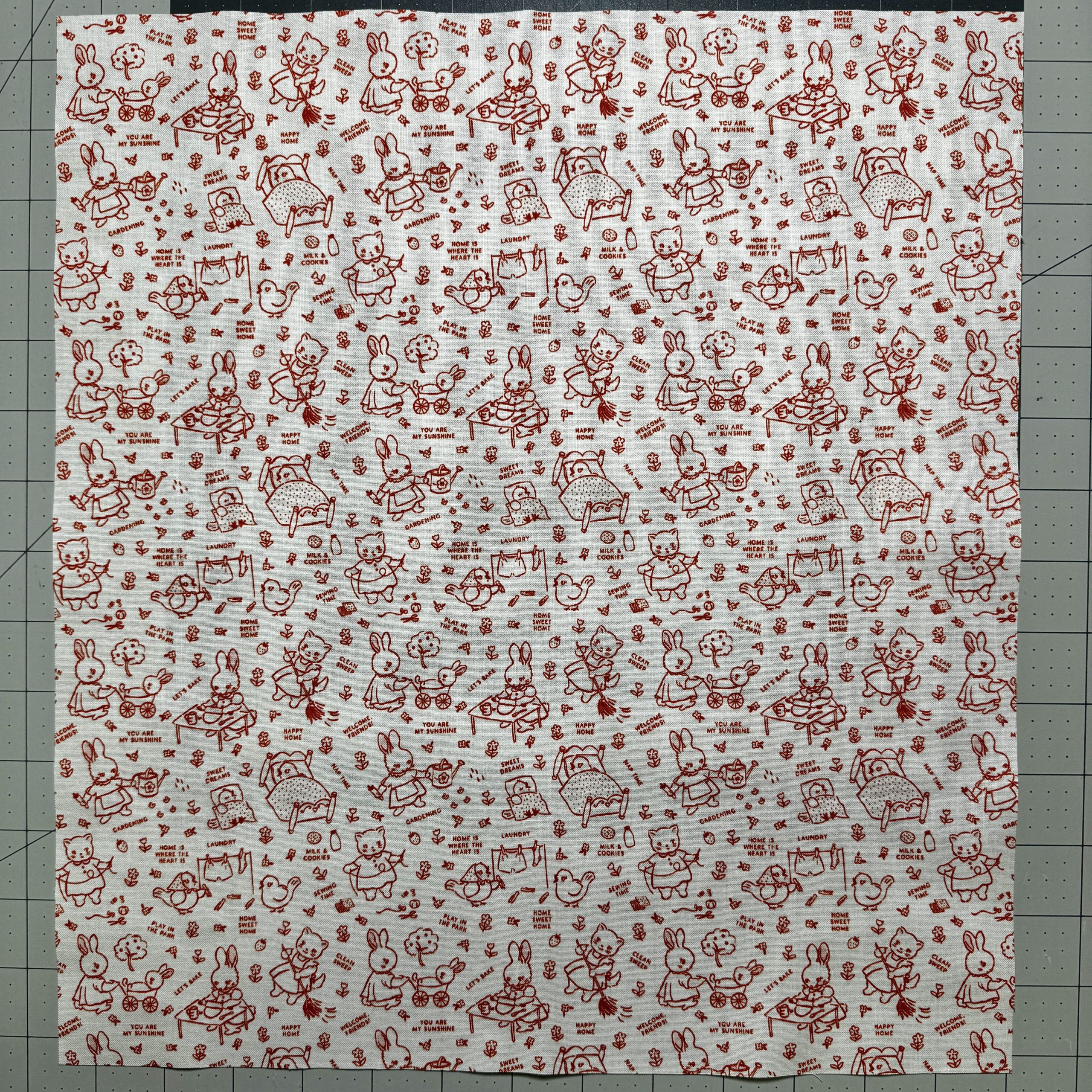
For this tutorial, I’m adding slip pockets to my Easy Charm Tote —a beginner-friendly pattern that’s perfect for learning basic bag construction without getting overwhelmed. I wanted my finished pocket to measure around 7"h x 14½"w, so I cut my cotton fabric and Pellon SF101 interfacing to measure 14½”w x 15”h.

3. Adhere Interfacing

If you want your pocket to have structure, fuse SF101 or another lightweight woven interfacing to the wrong side of your fabric before sewing.

📌 Get help choosing interfacing:
✔️ Download the free Interfacing Cheat Sheet  for a quick reference
✔️ Or dive deeper with the The Ultimate Guide to Interfacing for Bagmakers —full of mix-and-match tips!

Download my free Interfacing Cheat Sheet for an easy printable guide that takes the guesswork out of choosing and combining interfacings. I also go deeper into the topic in my blog post: 

🧵 A well-fused pocket = no saggy linings. Trust me, it’s worth the 15 seconds at the ironing board!
4. Sew the Pocket

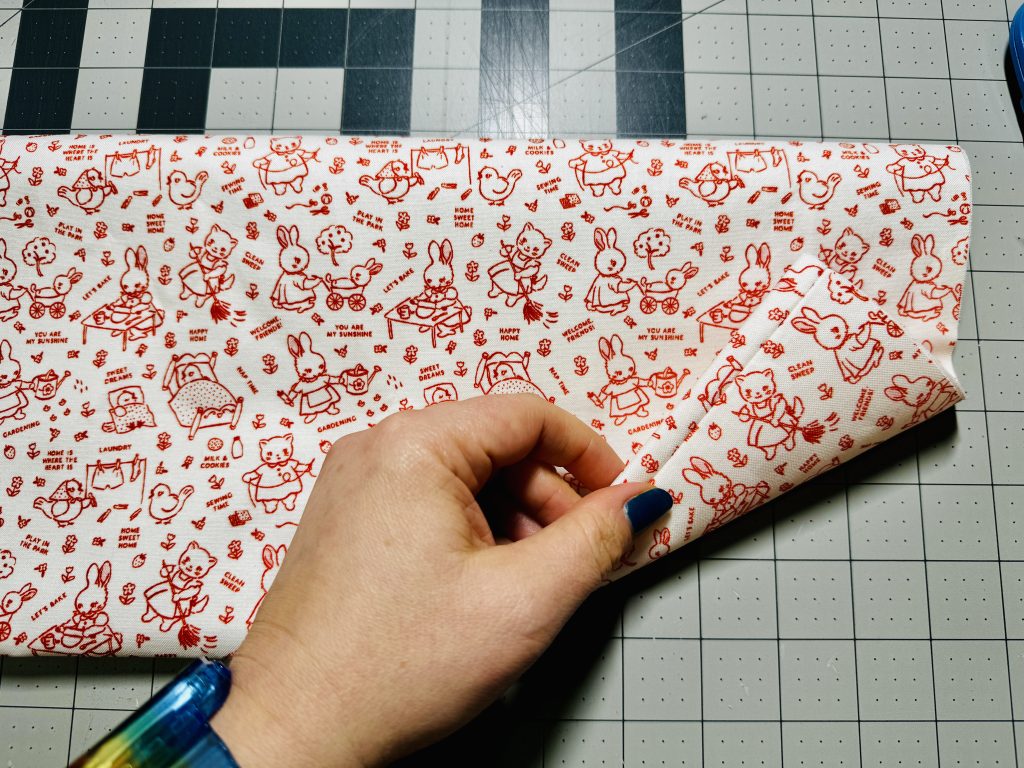
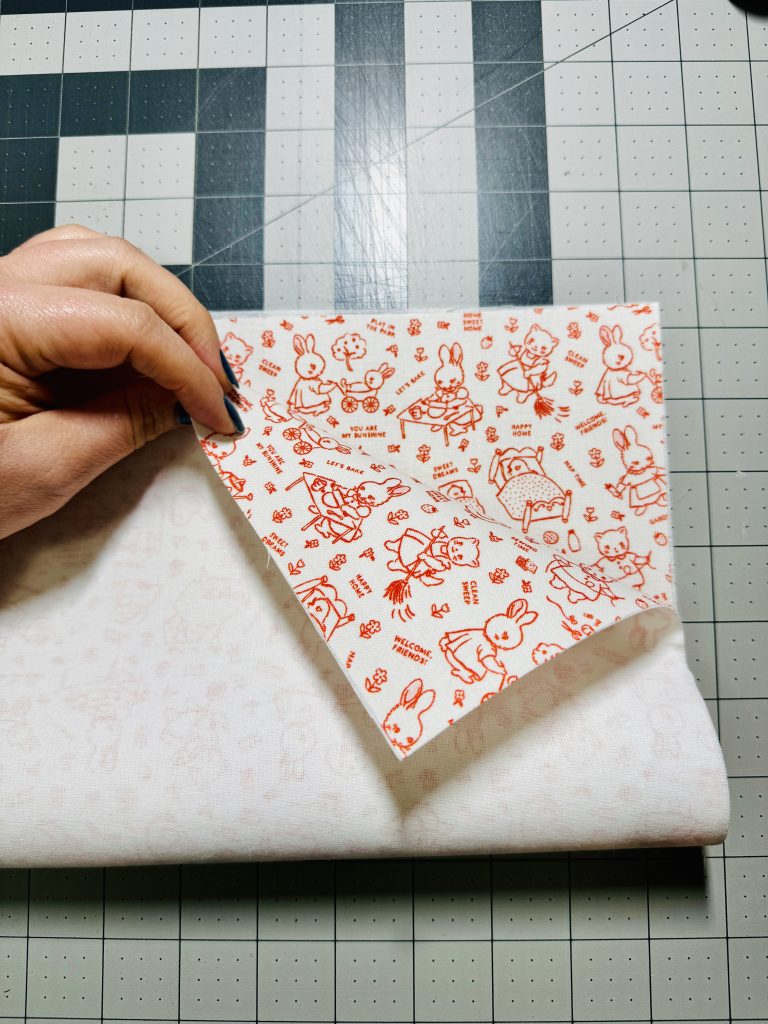
  • Fold the fabric in half, right sides together, along the top and bottom edges, so it measures your final pocket size.
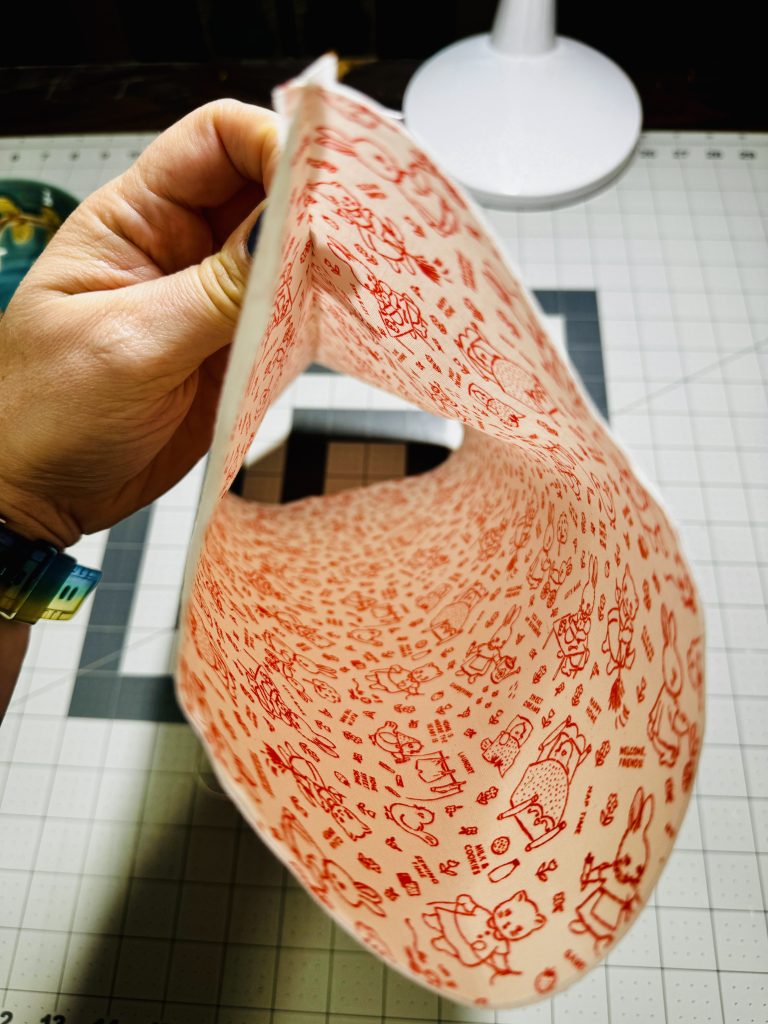
  • Sew only along the top raw edges with a ¼” seam allowance. This will leave you with a tube.
  • Press seam open with an iron.
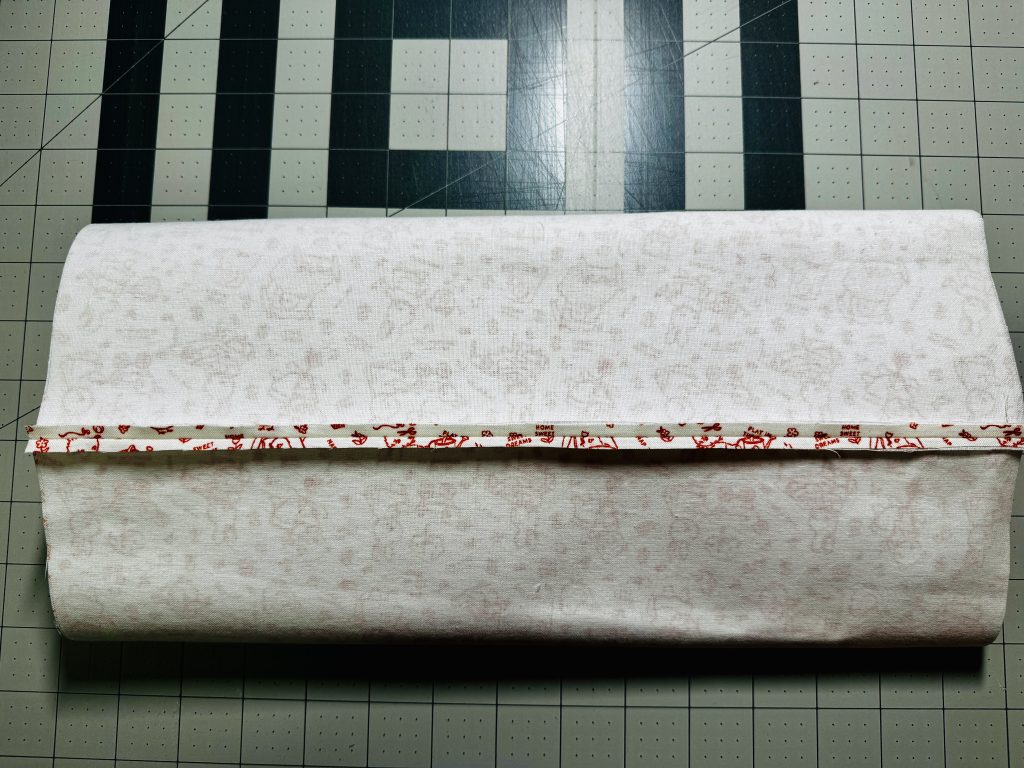
  • Reach through tube and turn inside out. Press flat, making sure sewn seam is about 1" from the bottom edge toward the back of the pocket.  This will be the side that sits against the lining fabric, so no one will ever see the finished seam.

5. Topstitch the Top Edge

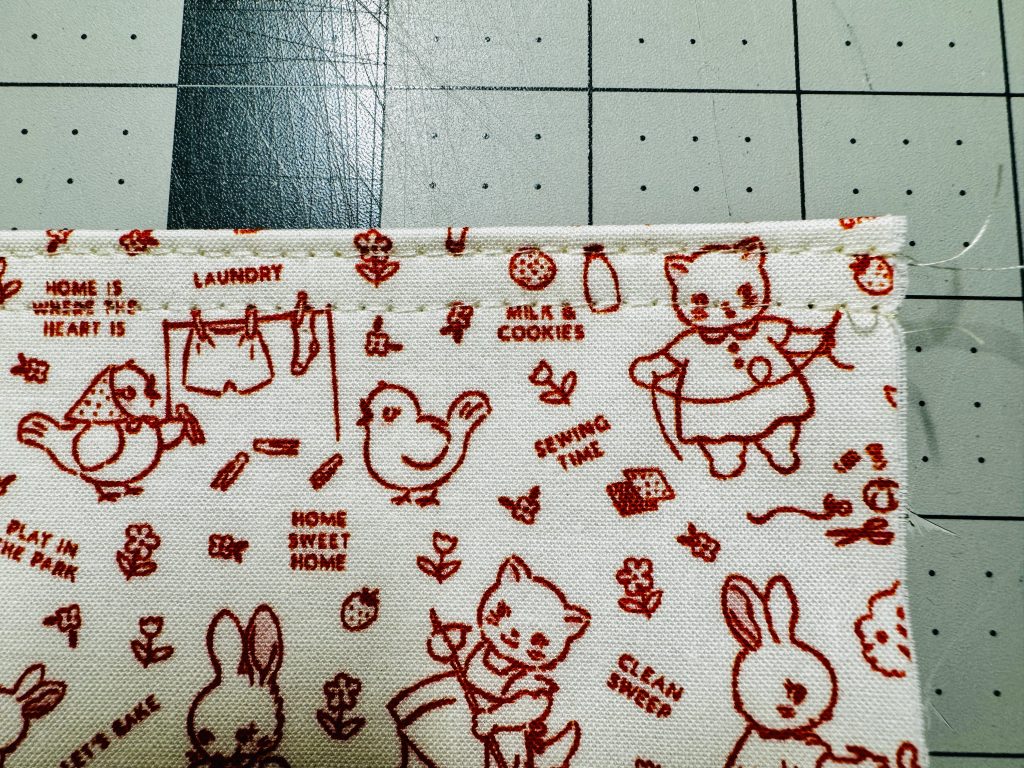
Topstitch along the folded edge of the pocket for a clean finish. One row of topstitching an 1/8" away from the finished edge keeps it from rolling - use a longer stitch length. I added one row 1/8" away from finished edge, then added another row 1/4" away from my original topstitch.
6. Attach the Pocket to the Lining

  • Place the pocket on the right side of your bag lining, (remember, seam in the back should touch the right side of the lining) centering it horizontally and positioning it at least few inches from the top edge. I placed my pocket 4" from the top of the bag lining. Pin/Clip in place.
  • Mark the pocket dividers you wish to have - here's where you can totally customize it to fit your needs!  For example, you can create a narrow slot for pens or a wider section for a phone. Determine how many pockets you want, and use a hera marker or erasable marker to draw the lines. 
  • Using a longer stitch length (but no more than 3.5mm), stitch the bottom of the pocket to the lining about 1/8" away from pocket edge, backstitching at the beginning and end for extra strength.
  • Repeat stitching over the bottom of the pocket, however, this time, using the lines you made with your marker to make pocket dividers, sew over those lines to secure the pocket division marks to the lining.  Begin sewing the bottom of the pocket, and when you come to your first pocket division mark, sew up, sewing over the line you made.  With your needle still in place, but presser foot up, turn the fabric around so you can sew down the pocket division you just sewed up.  Meet with the bottom of the pocket and turn fabric to continue sewing along the bottom until you meet the next pocket division mark, and repeat the steps to sew the divider.
  • Your pocket is now attached, and you can continue sewing bag lining together as stated in the bag pattern.

🧵 Looking for beginner-friendly bag patterns that are easy to upgrade with pockets like this?
Browse my full collection here:
👉SHOP➡ BAG SEWING PATTERNS

🎁 Want more tutorials, cheat sheets, and beginner-friendly bagmaking tips delivered straight to your inbox?
Join my list and get my free Interfacing Cheat Sheet instantly:
👉 Sign up here

Customization Tips

  • Play with Fabric: Use a contrasting or coordinating fabric to make your pocket pop.
  • Add Trim: Incorporate binding or piping for added flair! Many of my bag patterns feature a pocket binding technique that makes for a nice contrast and professional looking finish. You can check out my bag patterns here by clicking the button below.


Why You'll Love This

Adding a slip pocket is a small detail that makes a big difference. It’s quick, easy, and elevates the overall look and functionality of your handmade bag. Plus, the personalization possibilities are endless!

🙌 Want to try all these pocket tricks inside a simple, confidence-boosting bag pattern?
The Easy Charm Tote is one of my most beginner-loved patterns—plus, it’s a fun sew for gifts, retreats, or everyday use.
👉 Grab the pattern here

Try adding a slip pocket to your next project, and let me know how it turns out. I’d love to see your creations—tag me on social media @BeMandyThings!


Amanda Whisman
Amanda Whisman

Author

Tweet Share Pin It Email

Leave a comment

Comments will be approved before showing up.


Also in Sewing Tutorials

How to Install a Zipper Pull on Zipper Tape in Under a Minute

by Amanda Whisman December 15, 2025

Continue Reading

How to Sew Zipper Tabs the Easy Way

by Amanda Whisman August 18, 2025

Bulky zipper ends? The fix is simple—zipper tabs. This quick beginner tip makes sewing zippers easier and your bags look store-bought.

Continue Reading

The Easy Strap Upgrade That Makes Your Handmade Bags Look Store-Bought

by Amanda Whisman July 28, 2025

Give your handmade bags a polished, professional touch with this easy rolled handle upgrade. Perfect for beginner bagmakers using fabric or webbing straps—no hardware needed!

Continue Reading

Subscribe

Join the Be Mandy Things community and grab your free bagmaker starter kit—plus bagmaking tips, resources & subscriber-only perks!

Stay in the Loop
Beginner-friendly tips, free tutorials, and new pattern releases.


  • Search
  • FAQ
  • Return Policy
  • Privacy Policy
  • Shipping Policy
  • Terms of Service
  • Contact me

Country

© 2025 Be Mandy Things.

American Express Apple Pay Diners Club Discover Google Pay JCB Maestro Mastercard PayPal Shop Pay Union Pay Visa